

The date fruit, especially kurma (days), has actually been a staple in lots of cultures, specifically between East and North Africa. Its appeal has actually grown globally, resulting in an expanding wholesale market, generally described as "borong kurma." This post delves into the concept of borong kurma, discovering its importance, market dynamics, and the variables that affect prices and need.
The Origins of Kurma
Dates are among the earliest grown fruits worldwide, with evidence dating back to ancient Mesopotamia. The date hand, known as Phoenix dactylifera, grows in dry climates, making it a best plant for desert regions. Kurma, specifically selections like Medjool, Ajwa, and Mazafati, have come to be icons of nutrients and friendliness.
The Increase of Borong Kurma
The increase in demand for days has transformed the kurma market right into a profitable business. The idea of borong kurma describes the wholesale acquisition of dates, enabling merchants and customers to purchase wholesale at affordable rates. This technique is especially popular throughout Ramadan, where days play a considerable role in damaging fasts.
Principal in the Borong Kurma Market

1. Farmers and Producers: Regional farmers cultivate various date selections, with a concentrate on high quality and sustainable methods. They usually sell their produce to dealers, who handle circulation.
2. Dealers: These intermediaries acquisition big quantities of days from farmers and sell them to sellers or directly to consumers. Wholesalers commonly have developed connections with farmers, ensuring a constant supply.
3. Merchants: Grocery stores, specialty shops, and online systems are the main sellers of kurma. They acquire from wholesalers and supply customers a selection of date products.
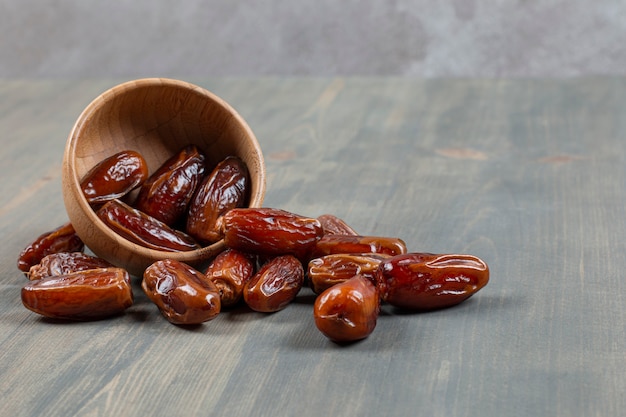
4. Consumers: The end-users of kurma consist of individuals, dining establishments, and catering solutions. The increasing health consciousness has actually resulted in boosted consumer interest in dates as a healthy and balanced treat alternative.
Elements Influencing the Borong Kurma Market
1. Seasonality: Dates have particular harvesting seasons, mainly during late summer season to early fall. This seasonality influences supply, rates, and need.
2. Quality and Variety: The market is varied, with different varieties using one-of-a-kind tastes and textures. Premium ranges like Ajwa and Medjool often tend to regulate greater prices.
3. Health and wellness Trends: With an increasing focus on wellness and health, days are gaining popularity as a natural sugar and nourishing snack. This fad drives demand in both wholesale and retail markets.
4. Cultural Value: Days hold social relevance, specifically throughout Ramadan. The demand spikes during this period, making borong kurma a crucial company for many dealers.
Difficulties in the Borong Kurma Market
1. Competitors: The expanding appeal of dates has actually resulted in increased competitors among dealers. Setting apart quality and pricing is important for success.
2. Supply Chain Issues: Wholesalers must navigate complicated supply chains, consisting of logistics, storage space, and distribution challenges. Ensuring wholesale dates market in dubai and quality of dates during transport is important.
3. Market Fluctuations: Rates can fluctuate based on supply, need, and economic problems. Wholesalers should adjust to these changes to continue to be successful.
4. Customer Preferences: Transforming customer preferences and dietary trends can affect the marketplace. Wholesalers need to remain educated and adapt their offerings appropriately.
Conclusion
Borong kurma is an essential element of the day market, attaching producers with consumers. As the need for days continues to increase, understanding the complexities of this market ends up being significantly essential for stakeholders. By resolving Pemborong Kurma and utilizing on chances, wholesalers can grow in this vibrant sector.